
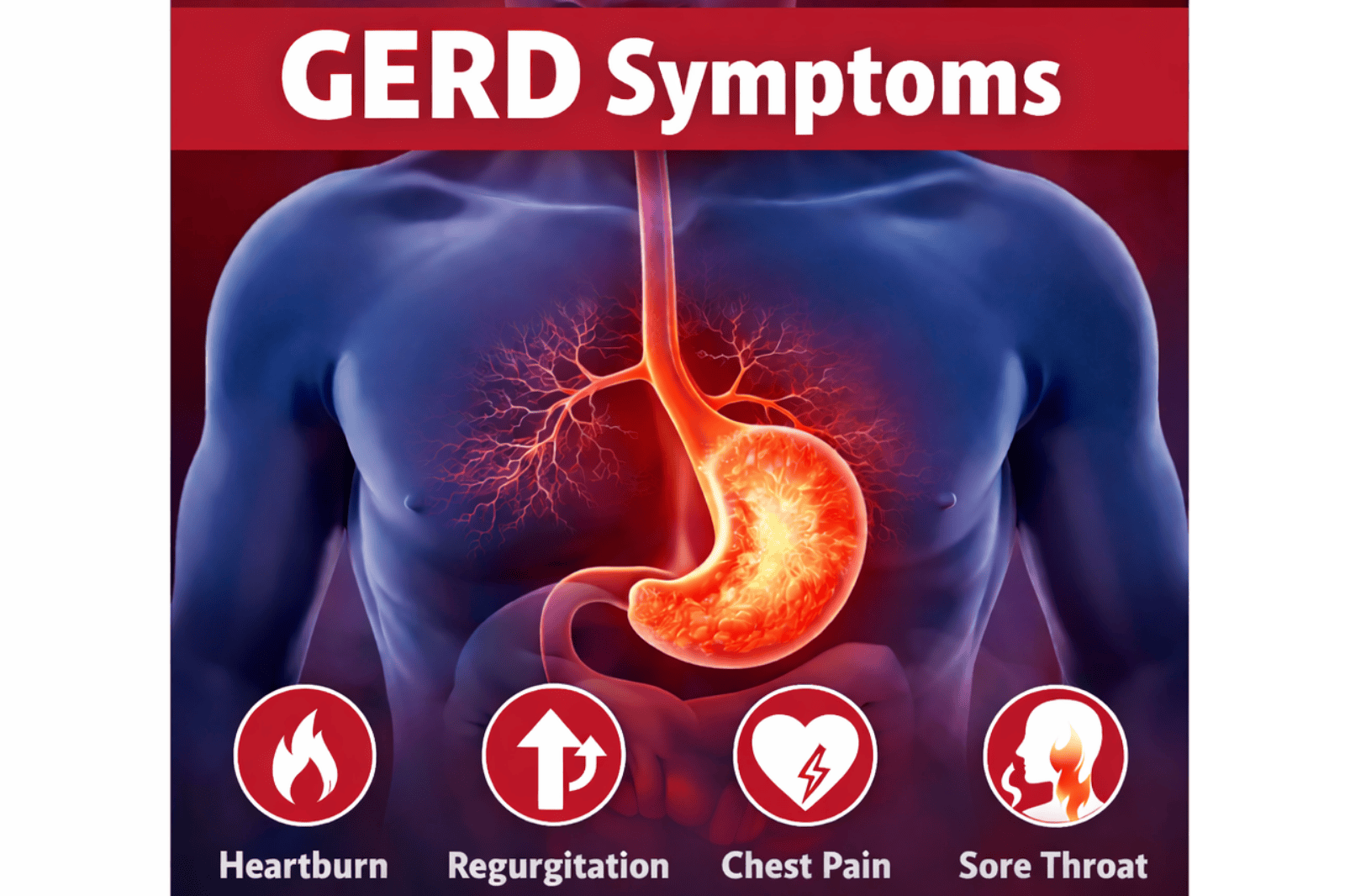
Acid reflux is something most people experience occasionally. After a heavy meal, spicy food, coffee, or late-night dinner, many individuals feel a burning sensation in the chest commonly called acidity or heartburn.
However, when acid reflux occurs frequently or begins affecting daily life, it may no longer be simple acidity. It may indicate GERD (Gastroesophageal Reflux Disease).
GERD is a chronic digestive disorder in which stomach acid repeatedly flows back into the esophagus. Over time, this reflux irritates the esophageal lining and can lead to complications if left untreated.
At Adithya Gastro and Liver Care in Manikonda, Hyderabad, Dr. G. Harsha Vardhan Reddy, a specialist in medical gastroenterology and liver diseases, frequently treats patients who initially ignore reflux symptoms until they become severe.
Understanding the warning signs of GERD helps patients seek medical attention early and prevent long-term complications.
What Is GERD?
GERD stands for Gastroesophageal Reflux Disease.
Normally, food travels from the mouth through the esophagus into the stomach. At the bottom of the esophagus is a muscular valve called the Lower Esophageal Sphincter (LES). This valve opens to allow food into the stomach and then closes to prevent stomach acid from flowing back upward.
When this valve becomes weak or relaxes abnormally, stomach acid can move upward into the esophagus. This repeated acid exposure leads to GERD symptoms.
Occasional reflux may not be serious, but frequent or persistent reflux requires medical evaluation by a gastroenterologist.
10 Warning Signs of GERD
The symptoms of GERD can vary from mild discomfort to severe digestive problems. Recognizing these signs early can help prevent complications.
1. Frequent Heartburn
Heartburn is the most common symptom of GERD.
It is experienced as:
• Burning sensation behind the chest
• Pain that worsens after meals
• Discomfort when lying down
If heartburn occurs more than twice per week, it may indicate GERD rather than occasional acidity.
2. Sour Taste or Acid Regurgitation
Many GERD patients experience a bitter or sour taste in the mouth.
This happens when stomach acid flows up into the throat or mouth. Patients may also feel food coming back up after eating.
Common descriptions include:
• Acid taste in throat
• Food coming back up
• Burning sensation in the throat
3. Chest Pain or Chest Discomfort
GERD can sometimes cause chest discomfort that feels similar to heart-related pain.
This pain usually:
• Occurs after meals
• Worsens when lying down
• Improves with antacid medications
However, because chest pain may also indicate heart disease, proper medical evaluation is essential.
4. Difficulty Swallowing (Dysphagia)
GERD can cause inflammation of the esophagus.
Over time, repeated acid exposure can lead to narrowing of the esophagus, making swallowing difficult.
Patients may feel:
• Food getting stuck in the throat
• Slow swallowing
• Pain while swallowing
This symptom requires immediate evaluation.Persistent cough without lung disease may be related to GERD.
Acid reflux can irritate the airway and vocal cords, leading to:
• Chronic dry cough
• Throat irritation
• Frequent throat clearing
Many patients initially visit ENT specialists before GERD is identified as the cause.
5. Chronic Cough
Persistent cough without lung disease may be related to GERD.
Acid reflux can irritate the airway and vocal cords, leading to:
• Chronic dry cough
• Throat irritation
• Frequent throat clearing
Many patients initially visit ENT specialists before GERD is identified as the cause.
6. Hoarseness or Voice Changes
GERD can affect the voice box (larynx).
Acid irritation can cause:
• Hoarse voice
• Voice fatigue
• Husky voice in the morning
This condition is sometimes called Laryngopharyngeal Reflux (LPR) or silent reflux.
7. Nighttime Reflux
Reflux symptoms often worsen at night because lying down allows acid to travel upward more easily.
Patients may experience:
• Nighttime heartburn
• Waking up coughing
• Choking sensation during sleep
Night reflux is considered a significant GERD warning sign.
8. Nausea and Bloating
Some GERD patients experience nausea, especially after meals.
Associated symptoms include:
• Bloating
• Early fullness
• Loss of appetite
These symptoms may overlap with gastritis and require proper evaluation.
9. Bad Breath
Chronic acid reflux can contribute to persistent bad breath due to acid irritation and regurgitation.
Patients may notice:
• Unpleasant taste
• Persistent bad breath despite oral hygiene
10. Dental Problems
Long-term acid exposure can erode dental enamel.
Dentists sometimes detect GERD before patients recognize digestive symptoms.
Red Flag GERD Symptoms
Certain symptoms indicate serious complications and require immediate medical attention.
These include:
• Difficulty swallowing
• Vomiting blood
• Black stools
• Unexplained weight loss
• Persistent vomiting
• Severe chest pain
Ignoring these symptoms can lead to serious digestive diseases.
Causes of GERD
Several lifestyle and medical factors contribute to GERD.
Common causes include:
• Late-night meals
• Spicy or oily food
• Coffee and caffeine
• Carbonated drinks
• Alcohol consumption
• Obesity
• Smoking
• Sedentary lifestyle
• Stress
• Hiatal hernia
In urban areas such as Manikonda and Financial District, desk jobs and irregular eating patterns make GERD increasingly common.
How GERD Is Diagnosed
Diagnosis begins with clinical evaluation by a gastroenterologist.
At Adithya Gastro and Liver Care, Dr. Harsha Vardhan Reddy may recommend:
Clinical Examination
Detailed discussion of symptoms, diet, and lifestyle habits.
Upper GI Endoscopy
A procedure that allows doctors to examine the esophagus, stomach, and duodenum.
Endoscopy helps detect:
• Esophagitis
• Gastritis
• Ulcers
• Barrett's esophagus
H. pylori Testing
A bacterial infection that can worsen acid-related disorders.
Ultrasound Abdomen
Used to evaluate liver, gallbladder, and pancreas.
Treatment for GERD
Treatment depends on severity and underlying causes.
Lifestyle Changes
Many GERD cases improve with simple lifestyle adjustments.
Recommended changes include:
• Eating smaller meals
• Avoiding late-night dinners
• Reducing coffee and tea
• Avoiding spicy foods
• Maintaining healthy weight
• Elevating the head during sleep
Medications
Common medications include:
• Proton Pump Inhibitors (PPIs)
• Antacids
• Prokinetics
These medications reduce acid production and improve digestion.
Treating Underlying Causes
If GERD is linked to conditions such as:
• Obesity
• H. pylori infection
• Hiatal hernia
Treatment targets the root cause.
When to See a Gastroenterologist
You should consult a specialist if:
• Symptoms persist for more than 6 weeks
• Antacids provide only temporary relief
• Nighttime reflux disturbs sleep
• Difficulty swallowing develops
• Chronic cough persists
Early diagnosis prevents complications.
Conclusion
GERD is one of the most common digestive disorders today, especially among people with irregular eating habits, stress, and sedentary lifestyles.
While occasional acidity may not be dangerous, persistent reflux symptoms should never be ignored.
Recognizing the warning signs of GERD and seeking medical care early can prevent long-term complications such as esophageal inflammation, strictures, or Barrett’s esophagus.
At Adithya Gastro and Liver Care in Manikonda, Dr. G. Harsha Vardhan Reddy, a specialist in gastroenterology and liver diseases, provides expert diagnosis and treatment for GERD and other digestive disorders.
Patients from Manikonda, Narsingi, Puppalaguda, Financial District, and across Hyderabad trust the clinic for comprehensive digestive care.
If you experience persistent reflux symptoms, timely evaluation can help restore digestive health and prevent complications.
📞 Call: 63038 38583
Frequently Asked Questions
1. How do I know if my acidity is GERD?
If acid reflux occurs more than twice a week or persists for several weeks, it may indicate GERD rather than occasional acidity.
2. Can GERD go away on its own?
Mild GERD may improve with lifestyle changes. However, persistent symptoms require medical evaluation.
3. What foods trigger GERD?
Common triggers include spicy foods, fried foods, coffee, carbonated drinks, citrus fruits, and chocolate.
4. Is GERD dangerous?
If untreated, GERD can lead to complications such as esophagitis, ulcers, Barrett’s esophagus, and swallowing problems.
5. Which doctor should I consult for GERD?
A gastroenterologist is the best specialist for diagnosing and treating GERD.
